Eating on the Steppe: A Practical Food and Water Guide for Travelers in Mongolia
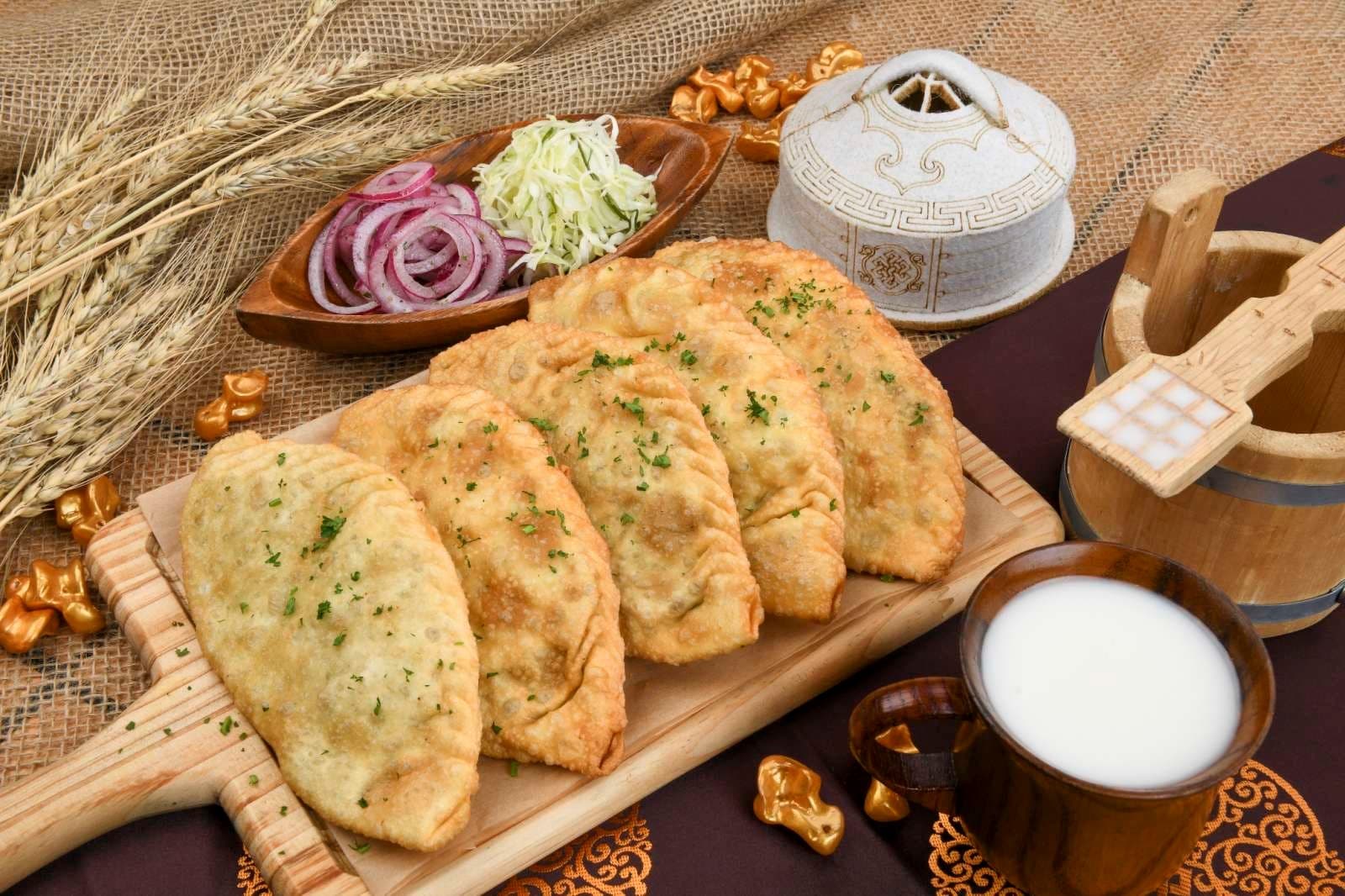
When you look up travel tips for Mongolia, the food situation is usually what worries people the most. If you are staying in Ulaanbaatar, you will find great international restaurants, coffee shops, and modern grocery stores. But the second you drive out into the countryside, the culinary landscape shifts completely to reflect traditional nomadic life.
Out on the steppe, food is about energy, preservation, and surviving a harsh climate. If you are preparing for a backcountry trip, here is a straightforward look at what you will actually be eating, how to handle water safety, and how to survive if you don't eat meat.
1. The Reality of Traditional Countryside Food
Nomadic cuisine is built heavily around two things: meat and dairy. Because of the extreme climate, fresh vegetables and fruits are incredibly rare outside of major town centers (soums). When you stop at a local settlement or visit a herder’s ger, you will likely be served variations of these core staples:
- Buuz and Khuushuur: Buuz are steamed dumplings packed with minced mutton or beef and onions. Khuushuur is essentially the same filling, but tucked into a flat pastry and deep-fried. They are hearty, greasy, and designed to keep you full for a long day of driving. Be careful on your first bite of a Buuz—the meat renders down into a boiling, rich broth inside the dough pocket that will spray if you aren't careful.
- Tsuivan: Ask any Mongolian man what his favorite meal is, and nine times out of ten the answer is Tsuivan. This comfort food consists of thick, handmade flour noodles steamed and stir-fried directly with fatty mutton, onions, and minimal root vegetables (usually just cabbage and carrots). It is incredibly dense, filling, and the ultimate fuel after a long day on rough tracks.
- Traditional Dairy (Aaruul & Suutei Tsai): You will routinely be offered suutei tsai, which is hot black tea brewed with milk, water, and salt (sometimes with a bit of butter or sheep's tail fat). You will also encounter aaruul, which is rock-hard, sun-dried curd. It is sour, slightly sweet, and meant to be sucked on slowly rather than bitten down on if you want to save your teeth.
- Khorkhog (The Authentic Barbecue): Reserved for special gatherings or when welcoming honored guests, Khorkhog is a real event. Mutton or goat chunks are placed inside a heavy metal container alongside potatoes, carrots, and smooth, fist-sized river stones that have been heated over an open fire. The container is sealed tight, creating an intense, smoky pressure cooker. When it's opened, it's custom to pass the hot, oily stones between your hands—locals say the residual heat and oil improve blood circulation and relieve fatigue.
2. Strict Water Safety Guidelines
Getting a stomach bug in the middle of a remote valley with no bathrooms or clinics nearby can completely ruin your trip. Managing your water intake requires absolute caution:
- Never drink tap or river water raw: Even if a mountain stream looks crystal clear, livestock graze upstream. Tap water in rural areas and even parts of the capital is not safe for travelers to drink untreated.
- Your filtration strategy: Always rely on bottled mineral water or use a high-quality portable water purifier or UV filter. If you are camping, boil your water thoroughly before using it to drink or brush your teeth.
- Airag (Fermented Mare's Milk): This is the famous traditional summer drink. It is made by filtering fresh horse milk into a large leather pouch (khukhuur) and churning it thousands of times until wild yeasts ferment it into a sour, fizzy, mildly alcoholic beverage (usually 2% to 3% ABV). While it is an incredible cultural experience, drink it in small quantities at first. The combination of active wild yeasts and dairy can have a strong laxative effect on a stomach that isn't used to it.
3. How to Travel as a Vegetarian or Vegan
It is a common myth that you will starve in Mongolia if you don't eat meat, but traveling as a vegetarian does require deliberate planning before you leave the capital:
Do not expect rural cafes (guanz) to have vegetarian options on the menu—their stock is entirely meat-based. If you have dietary restrictions, you must stock up on essentials like beans, lentils, nuts, oatmeal, and canned vegetables at modern supermarkets in Ulaanbaatar before heading out. When visiting nomad families, they will always try to feed you out of hospitality; carrying a few phrases written down explaining that you don't eat meat helps avoid awkwardness, and they will gladly offer you plain dairy treats or boortsog (fried dough biscuits) instead.
The Advantage of a Managed Expedition
Navigating rural cafes and cooking balanced meals in the middle of nowhere takes a massive amount of coordination. On our journeys, we bridge the gap. While we make sure you get to experience authentic nomad hospitality and try local foods safely, our expedition convoys travel with dedicated field chefs who prepare fresh, high-quality meals tailored to your specific dietary preferences—ensuring you stay fueled and healthy throughout the wild ride.